


Last updated on 1 April 2026
With my writing, I try to draw inspiration from Anna Felder’s writing style, without any presumption of being able to achieve the author’s skill and beauty in writing. In particular, this phrase of hers inspired me: “In the minimum possible, give the maximum possible.”
As we say where I’m from, … I’ll take the long way around, not to make this testimony tedious, but because the person I am today is the result and interweaving of various experiences and situations.
My adventure, or perhaps better, misadventure? Fortune or misfortune?
I wouldn’t know how to define what happened to me.
Many people tell me, “You’re lucky to still be here,” but I often told myself and still tell myself, why must I live this way—perhaps fortune could have “taken me away with my parents.”
I am an at-risk patient, or perhaps better to say, a person who discovered in October 2020 that I have an immunosuppressive blood disorder and subsequently survived a severe form of COVID (SARS-CoV-2 variant N501Y, commonly known as the UK variant).
What led me to write this diary?
Carmen, an intensive care nurse at Cardiocentro Ticino in Lugano, had encouraged me to write a book about what had happened to me; initially I didn’t take her seriously, but later my wife also suggested the same thing.
It took several months before I decided, and I almost thought I had forgotten what had happened, but then gradually, in the evenings before sleeping, parts of my experience would come back to mind.
As soon as a memory came back to me, I would “rush” to record it in my phone’s Notes to avoid forgetting it by the next morning—something that happened and still happens to me often, which many attribute to COVID, or perhaps more simply to the passing years.
COVID, an infectious disease, a severe flu that in some cases can lead to complications—this was my view before the illness, but as with many misfortunes, you see them on television on the news and you think to yourself, … “poor things,” with the conviction that what happens to others is far from you and cannot strike or reach you.
Initially, COVID (I call it the dark beast) had brought me career hopes, as I had been called to replace the director of the school where I worked.
He too had been infected by the virus, ending up in intensive care for quite some time.
I felt sorry for him, but proud to have been chosen to replace him, certain that this illness was far from me, something that affected others and could not reach me, or at least not in that form.
Instead, after a few months, the “dark beast” reached me, destroyed my body, my professional future, and partly my family life, or at least that was my impression for several months.
I say it partly destroyed my family unit because during my stay in intensive care, also due to the “dark beast,” I lost my father and a few weeks later my mother as well.
Unfortunately, when they were destroyed by the beast, I was sedated and intubated.
I learned of their loss only 3 months after their death, practically a couple of weeks after I woke from sedation.
Over time, I understood that when one is tested by so much suffering, the joys that follow are stronger, more authentic, and genuine. Even though the terror of falling back into that black hole and losing what was regained with such effort remains. In any case, this way of living and thinking is helping me face and fight the past and the future to appreciate and savor the present, bringing me closer to the future with a positive mindset free of fears (or perhaps better to say, with fewer fears).
But I must be honest—I still have dark moments, moments when everything is black and negative, where only the dark sides related to my physical, psychological, and social state are visible, where chronic pain and all the psycho-physical difficulties carved into my body by the illness are perpetually felt.
I hope that this testimony of mine can help those who, like me, have been struck by so much physical and psychological suffering.
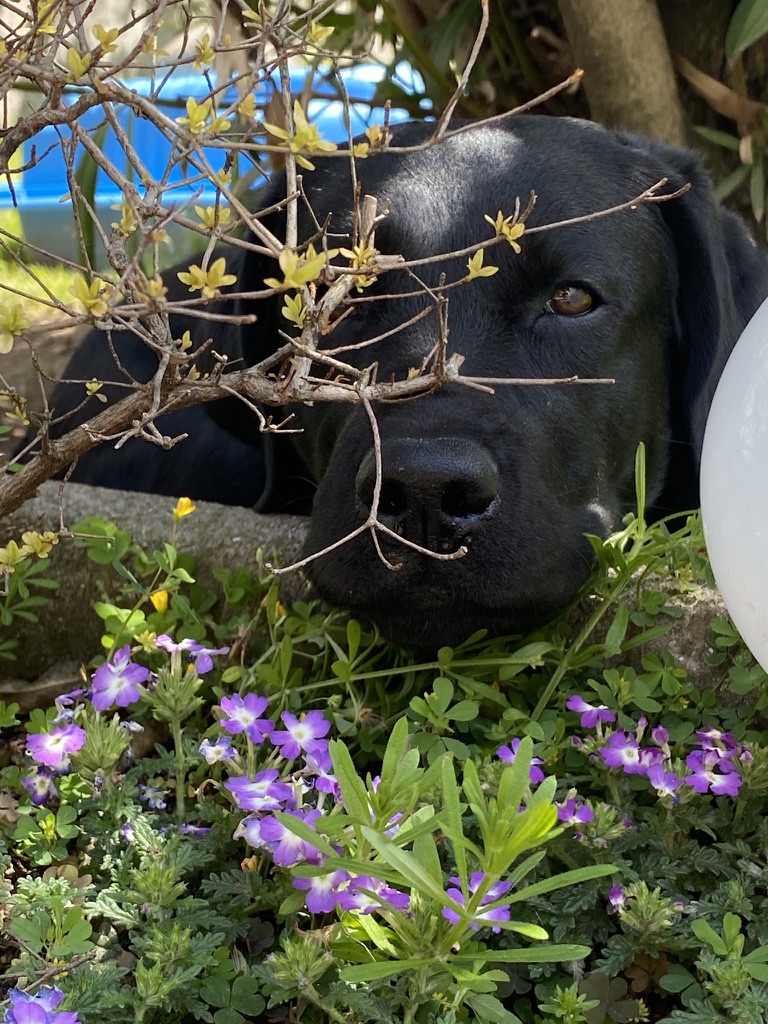
With this diary, I want to thank my wife Mirna, my children Asia and Aaron, my dog Kila, and my relatives for being close to me and supporting me during this experience.
I also thank the intensive care staff at Cardiocentro Ticino who assisted and cared for me professionally and with great humanity, toward both me and my family.