


Last updated on 1 April 2026
The hospitalization at Cardiocentro Ticino and the machine that kept me alive from January 31, 2021, for a full 21 days
The interview that Stefania (a nurse at Cardiocentro Ticino, the same Stefania who wrote in my hospital diary) conducted with me several months after I returned home (March 22, 2022).
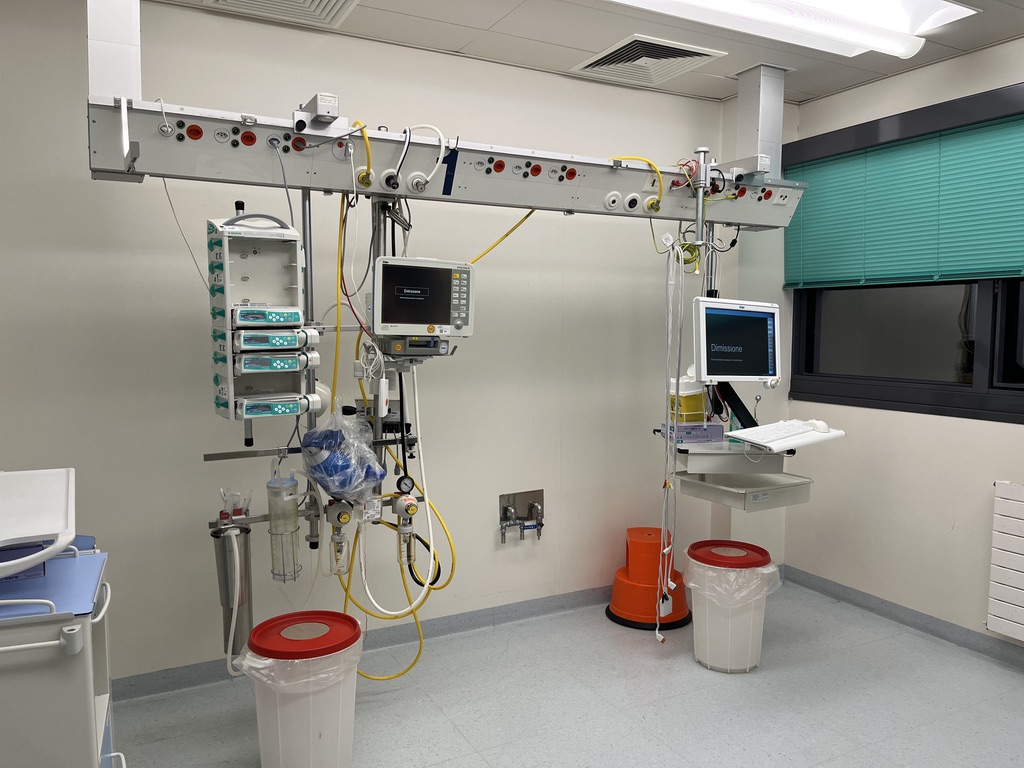
The units where I was a patient at Cardiocentro Ticino from January 31, 2021, to March 23, 2021
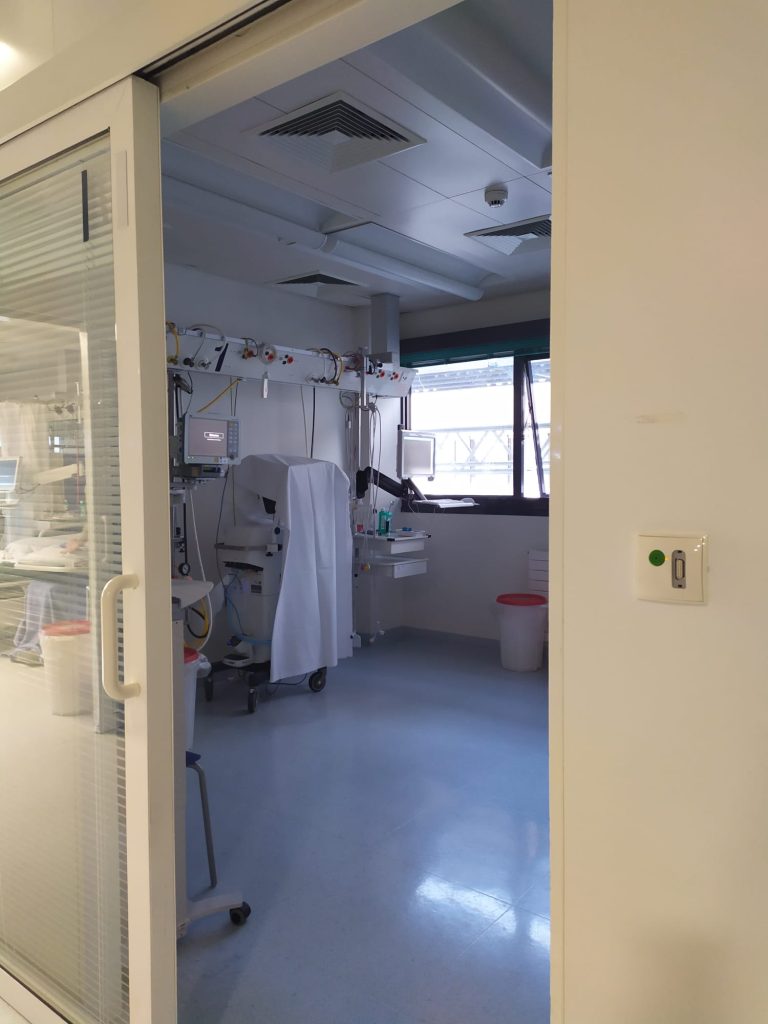
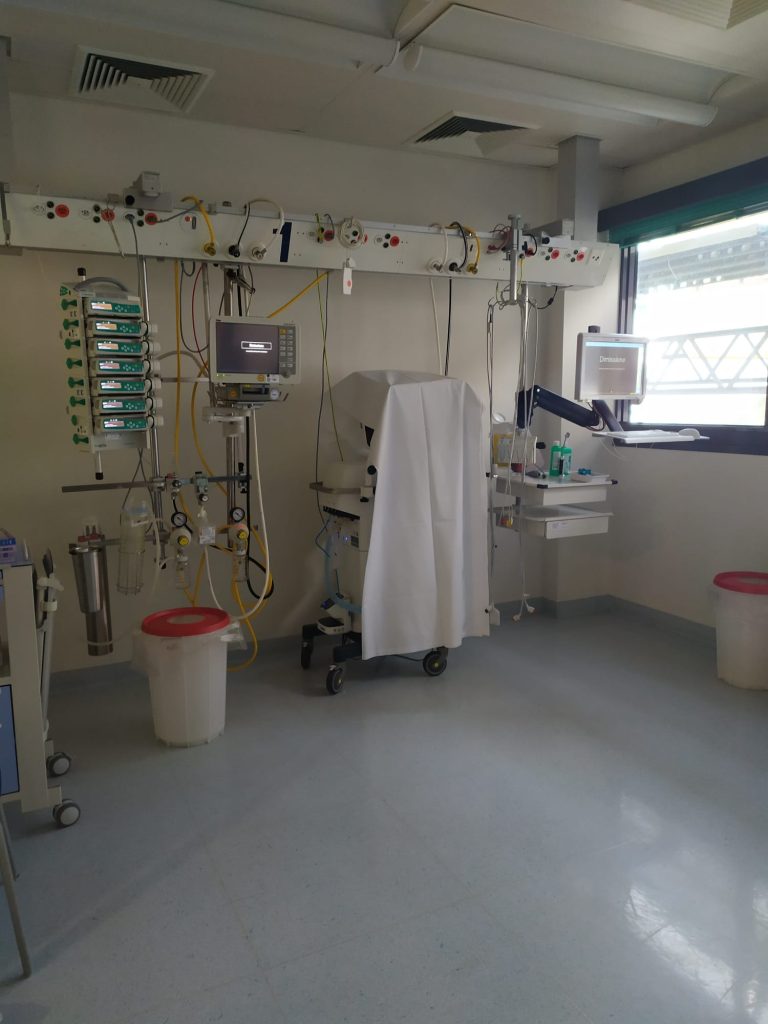
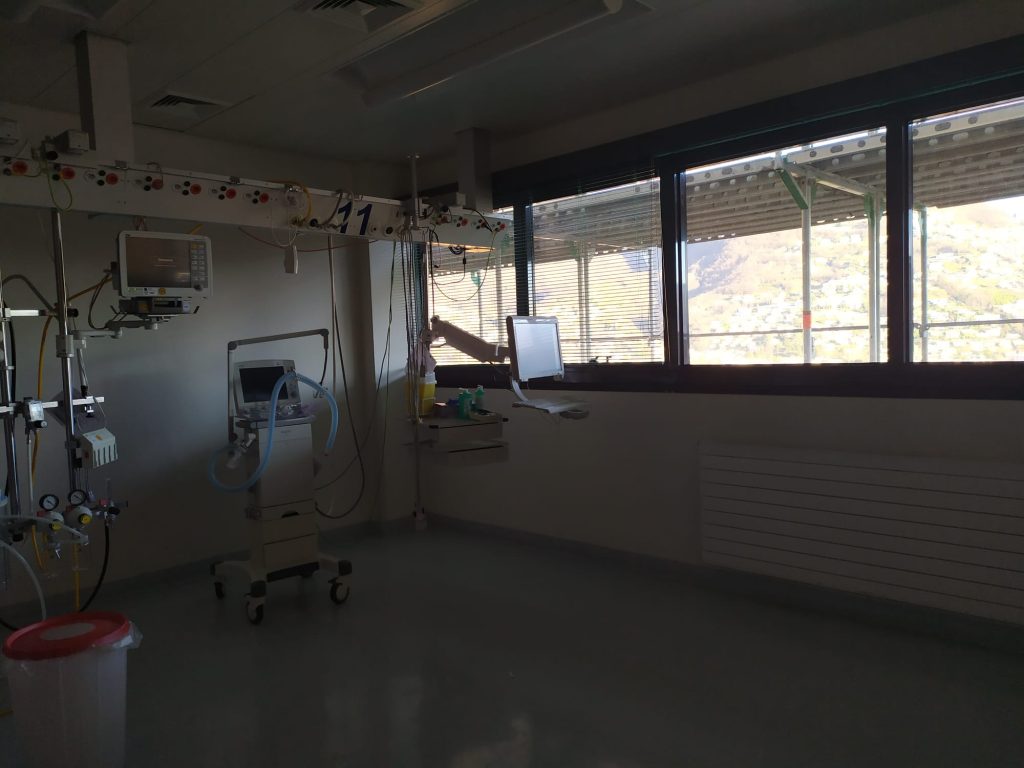
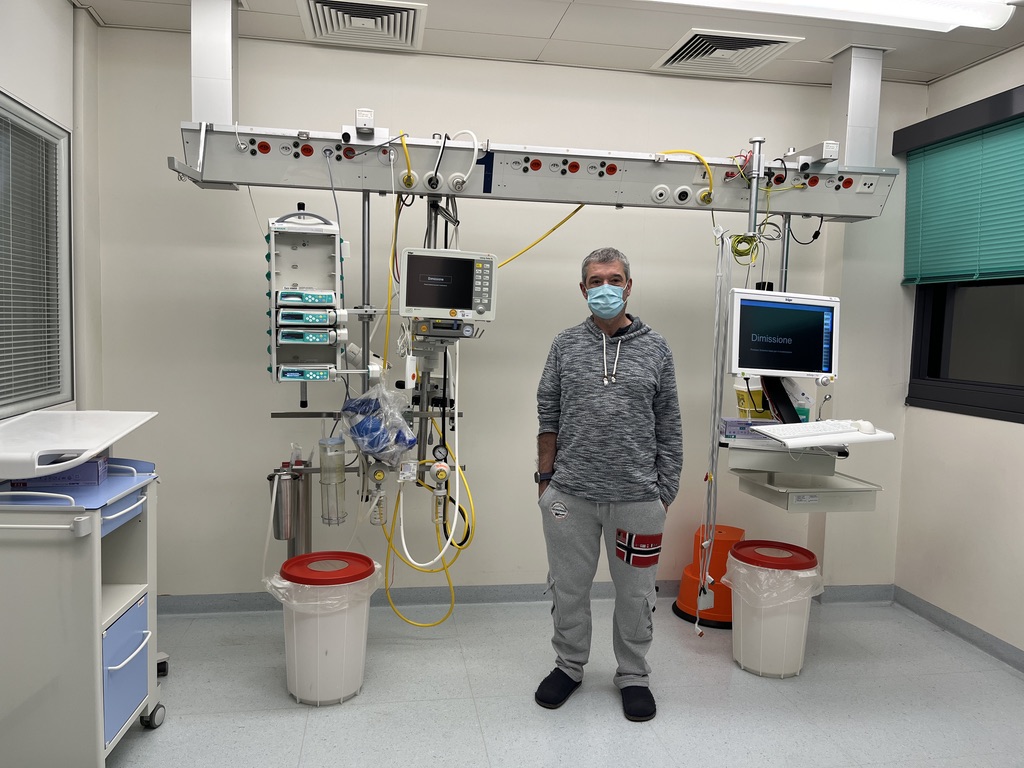
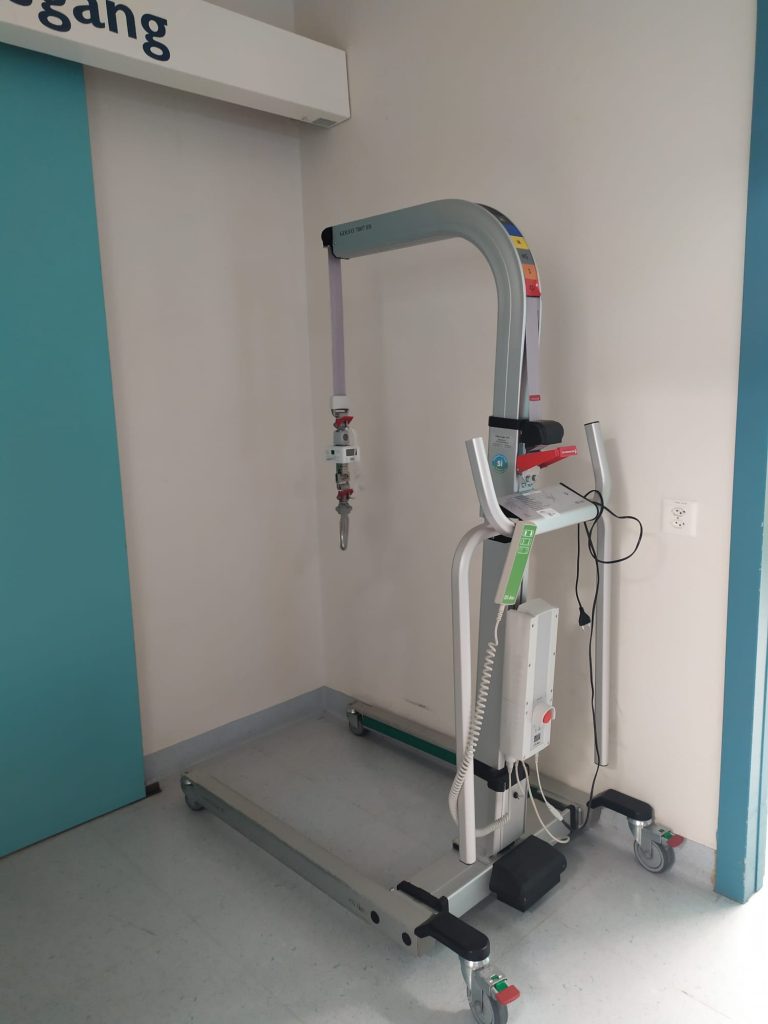
The lift where I remember feeling like I was levitating in a bag and seeing people below me… I thought it was a hallucination… and in part, it was!
ECMO (Extracorporeal Membrane Oxygenation)
Below I show you some images after the visit to the Cardiocentro (January 9, 2024) with the intent of understanding what saved my life and why I was chosen for this “extreme” therapy… which according to the doctors was my one and only last chance!
Today I met the perfusionists who contributed to my care during the period I was connected to the ECMO.
Although I have worked in an ambulance in the past, I personally was not familiar with this professional role.
From what I have read and what I have been told, I spent 21 days connected to this machine… the machine that saved my life, for better or for worse.
I say for better or for worse because I did not emerge unscathed, but not because of the machine, but rather because of Covid, which left me with significant permanent damage.
They are very kind and helpful people who went out of their way to let me see the machine that saved me and explain what happened to me and what I went through during those 21 days.
Personally, I remember nothing, absolutely nothing.
During this meeting, however, one face seemed familiar to me, as if I already knew that young man; even his voice sounded like someone I had spoken with in the past.
A young man with a well-groomed beard hidden under the mask and with two very cheerful eyes that radiated joy and youth (Pietro).
Unfortunately, however, I did not know when or where… it is very likely a flash of consciousness I had during that period when I was sedated.
He also confirmed that he remembered me and told me that at certain times the sedation was removed for short periods to evaluate my neurological state; I probably met him in one of those brief moments when I emerged from sedation.
Seeing him again and recognizing him was very strange, but also moving.
Afterward, I was welcomed by Daniele, who in a very courteous and professional manner explained the composition, operation, indications, dangers, and contraindications of this machine and this type of therapy, Veno-arterial and, in my case, Veno-venous.
Many would have preferred to forget.
In my case, I have about 4 months during which I do not know what happened to me or what they did to my body.
I say to my body, because my mind remained the same as it was before the illness, but my body became another after I woke up.
I no longer recognized it, and 3 years later I still do not recognize it today; the limitations my body imposes on my mind are still too great.
I want to clarify once again that the “devastation” of my body is not due to the ECMO therapy, but to the dark beast named Covid.
In fact, I remember nothing or almost nothing of this period, but I must thank all the nurses who contributed to writing my hospital diary.
Without them, I would have had nothing to allow me to reconstruct, even if only in part, those four months spent without my mind being able to think or remember.
In another situation, in the absence of the pandemic, my family members could have contributed to writing and describing what was happening to me, but alas, in my case, it was not possible.
I have read and translated the book I mentioned earlier, Breathe In Breathe Out: A Surviving ECMO Story by Adam York, in the hope of being able to publish it in the near future.
It was a welcome gift from my nurse and friend Paul (see chapter Doctor Paul); although I must confess that before I started reading it, it took several months—months in which I was afraid to know and learn what had happened to me, even through another person’s experience.
After reading and translating it, I tried to contact Adam, the author of the book, and I succeeded via Messenger; he lives in Alabama, USA.
He had an experience very similar to mine, though not from Covid, but from a strange form of influenza; if you want to know more, I invite you to read the book.
Not being in a pandemic period, Adam was able to benefit from more contact with his family, who, in addition to being able to tell him what happened, were able to show him photographs and videos to allow him to reconstruct 그 period.
This may seem macabre, but personally, I miss not knowing, or rather not seeing, how I became the person I am today—in a moment, in weeks, in months, in what conditions I was transformed, or rather how and in what conditions my body was transformed until it became what it is today.
ECMO, the machine that helped save my life… as I was saying, for better or for worse.
- What is it? When is it used? How does it work? For whom?
The documentation I received from the perfusionists at Cardiocentro Ticino who treated me and who later, at my request, explained the operation, indications, dangers, and much more. Thank you, Daniele!
- The machine:
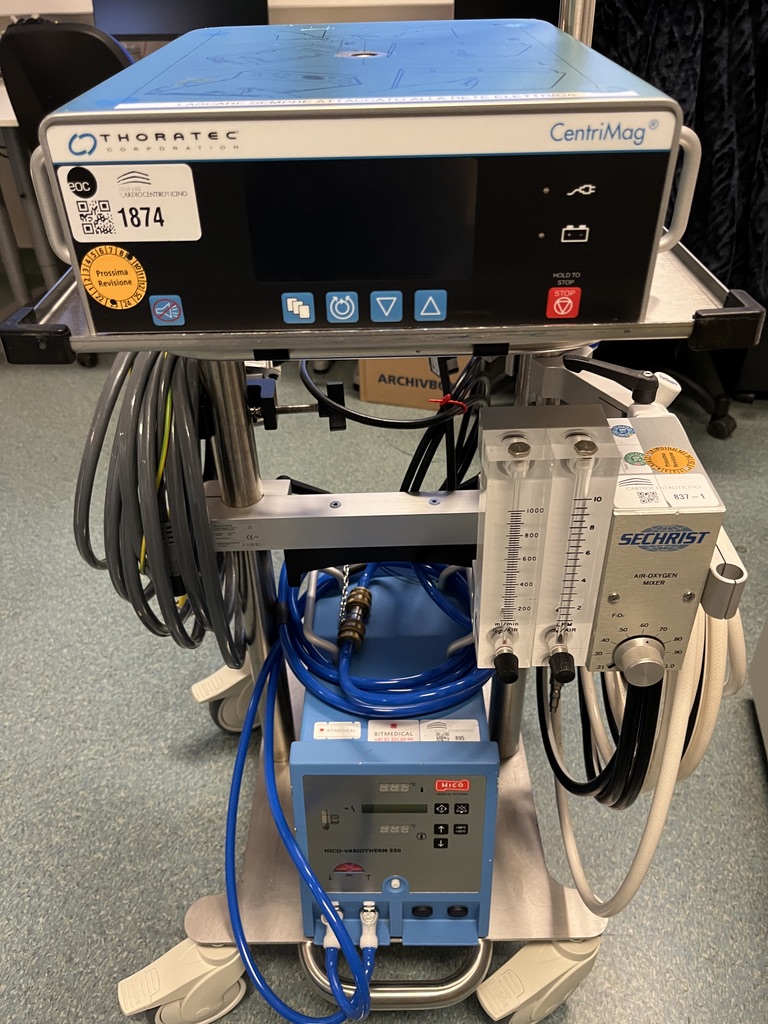
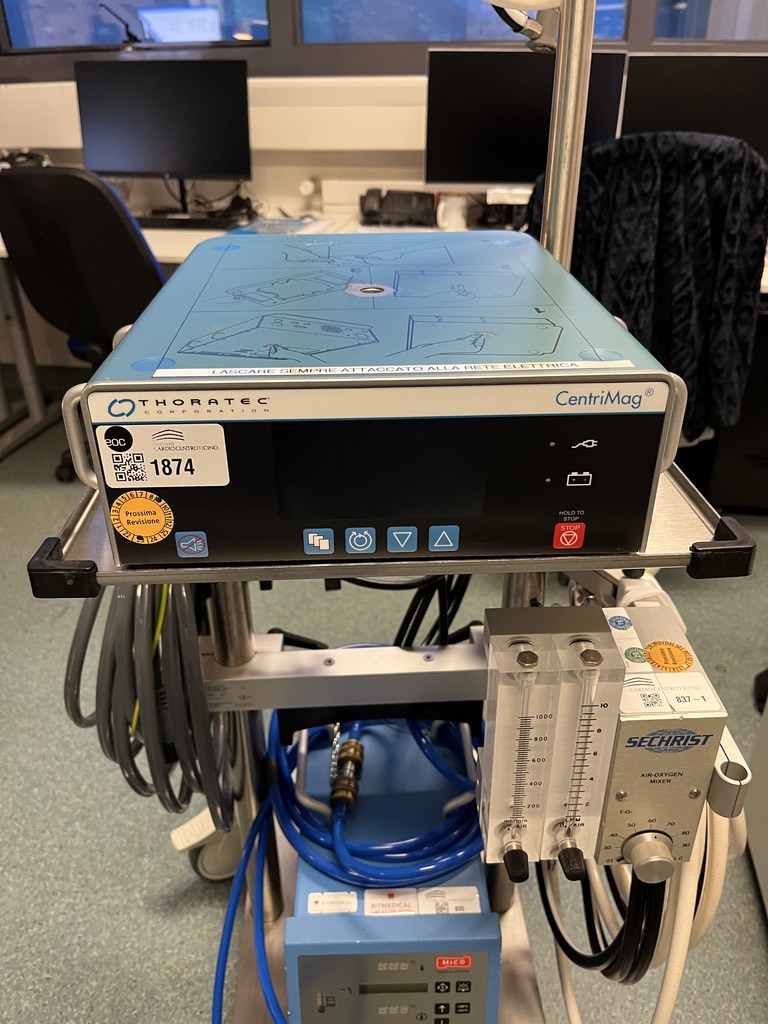
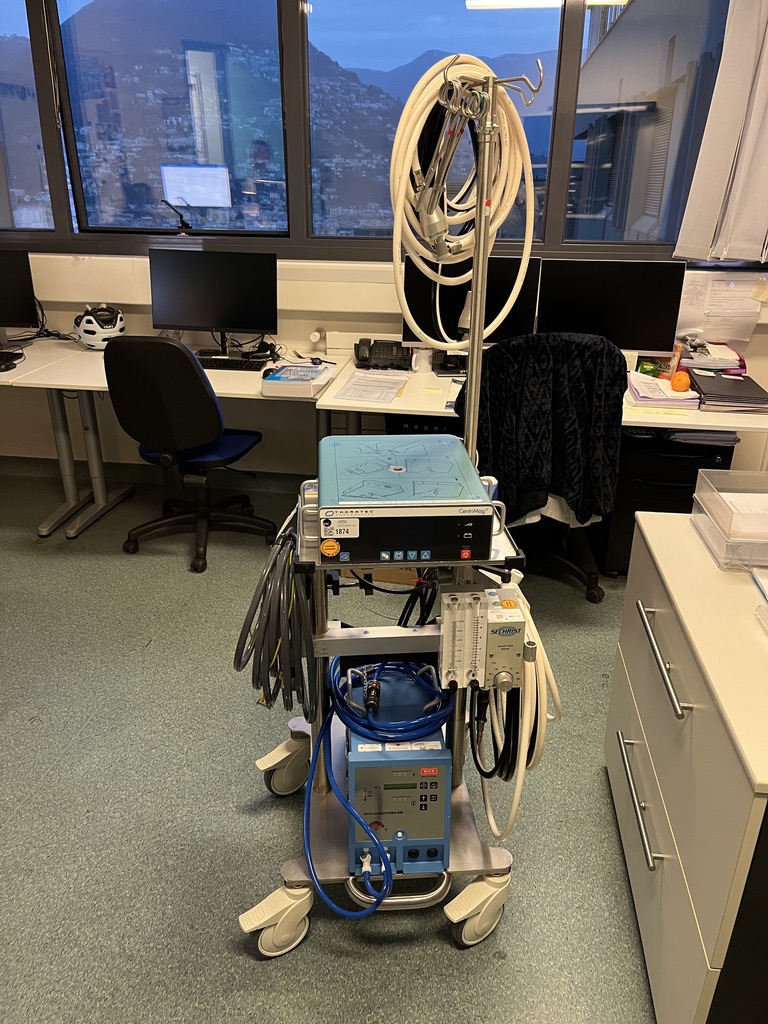

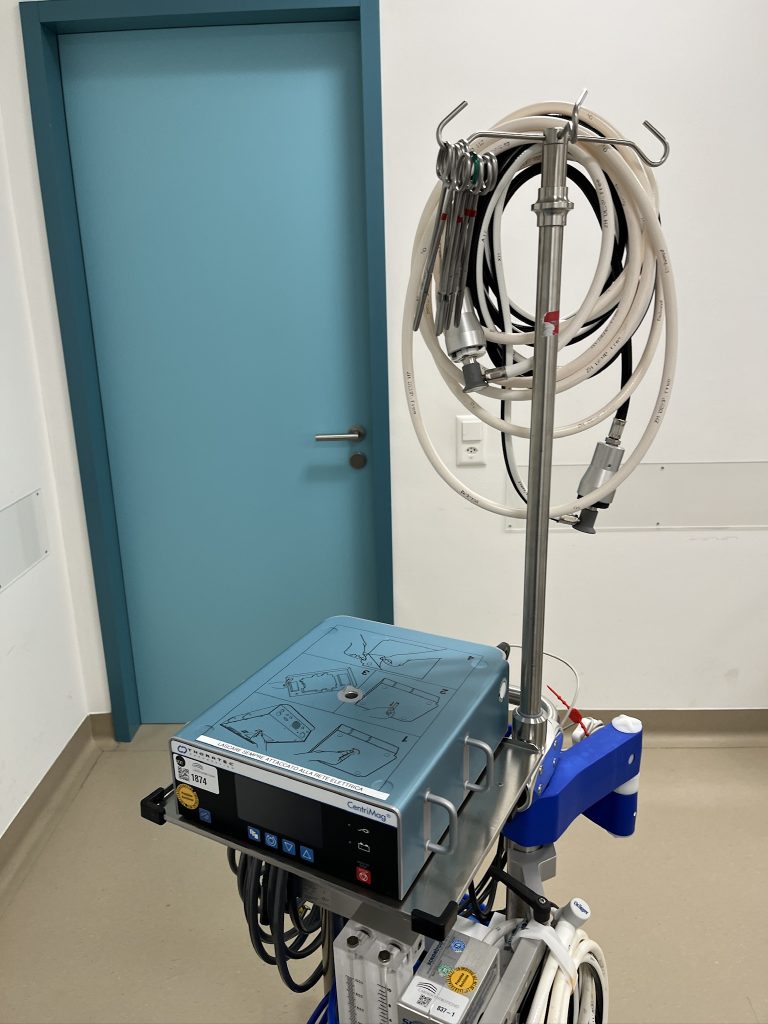
- The motor that drives the pump for extracorporeal circulation:
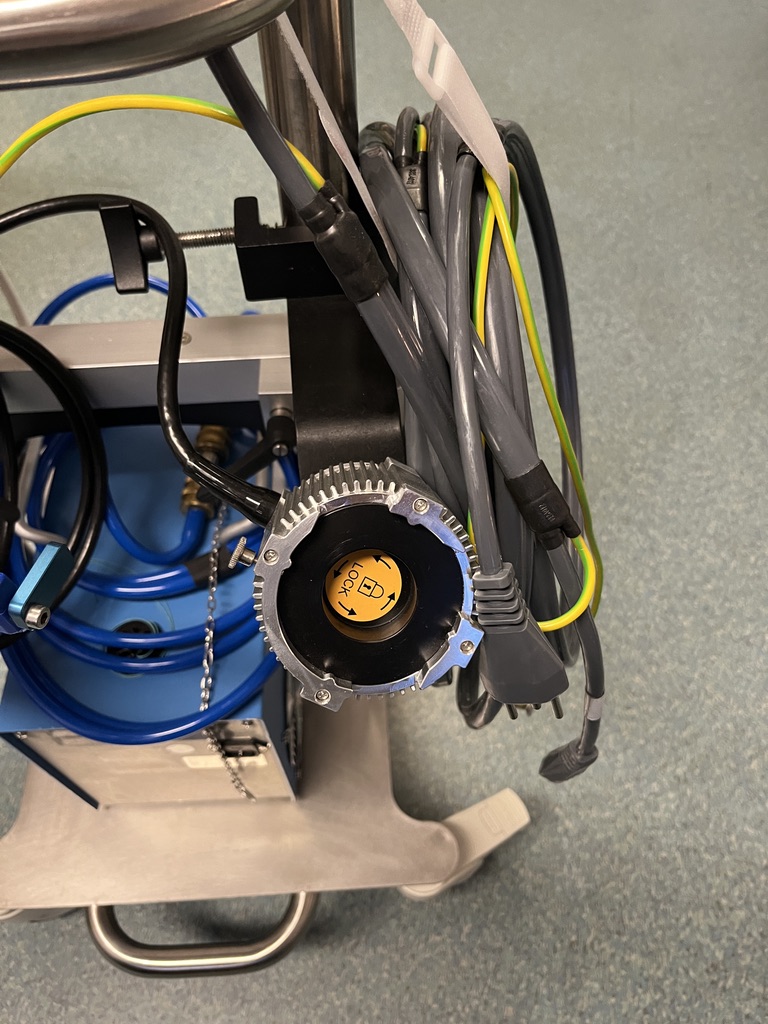

- The magnetic levitation pump to avoid heating through friction and wear of components given the long period of use.

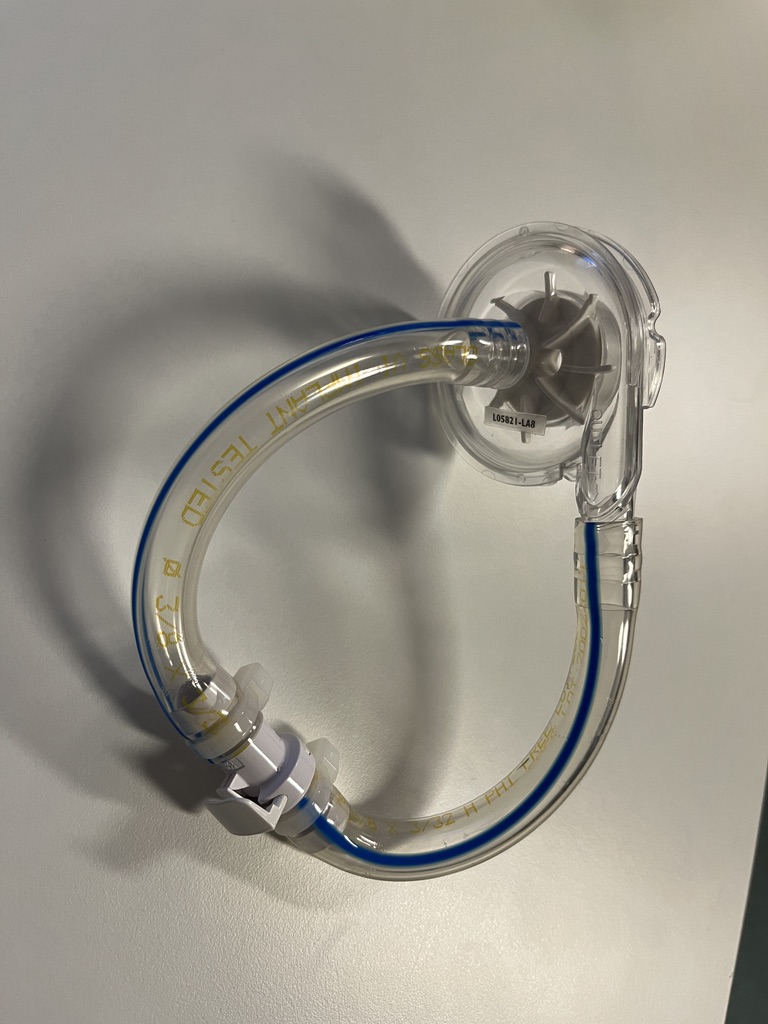

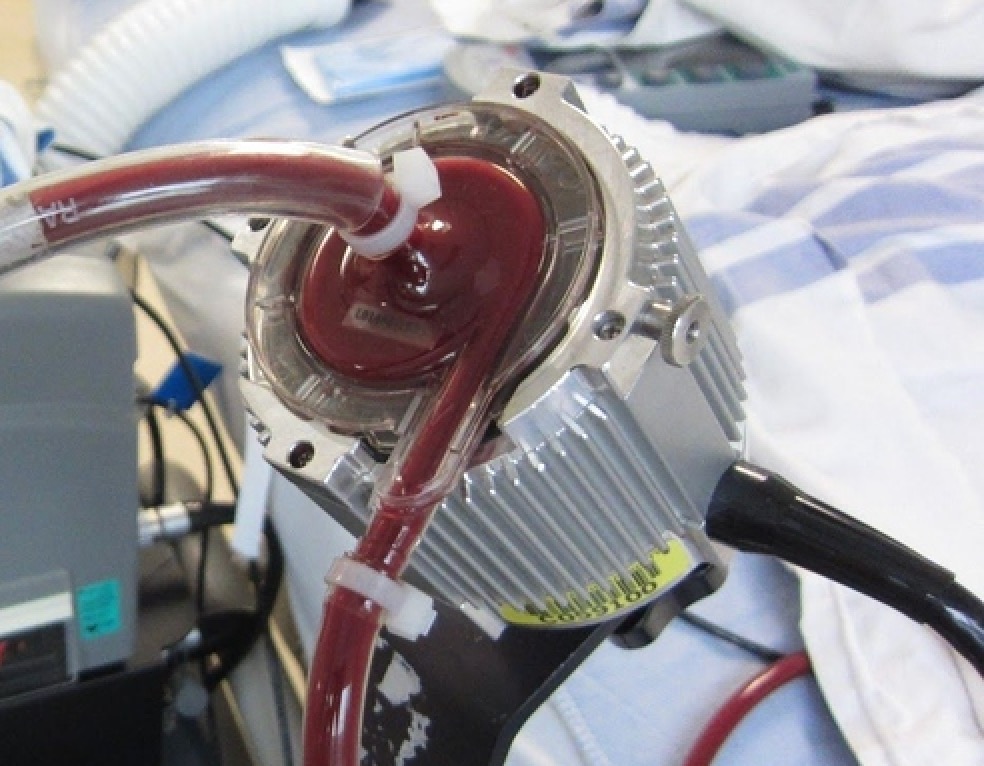
- The oxygenator, the filter that allows for oxygenation and temperature regulation of the blood delivered to the patient:


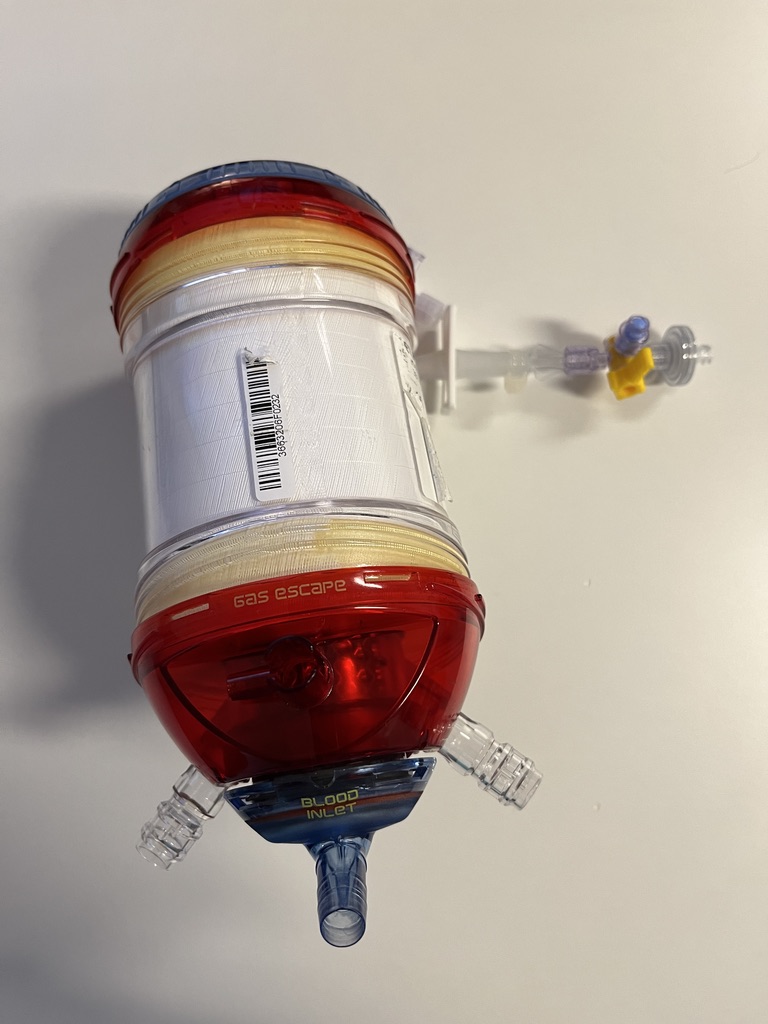


- The cannulas that transport oxygen-poor blood to the machine and subsequently re-inject it into the patient’s body after it has been oxygenated.


Some articles and videos on ECMO
- An article found on https://italianjournalofnursing.it: “Nursing care for the ECMO patient in intensive care“
- Article on https://www.annalsthoracicsurgery.org: One-Year Outcomes With Venovenous ECMO Support in Patients With Severe COVID-19 (2022)